Designing with Flow: The Making of The Meriva Collection
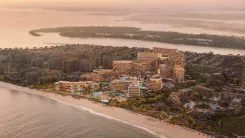
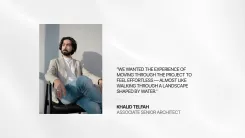
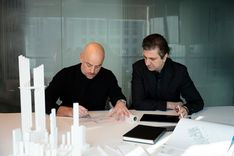
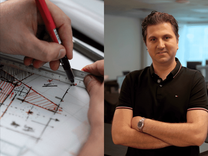
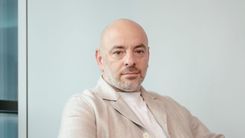
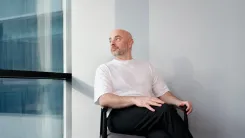
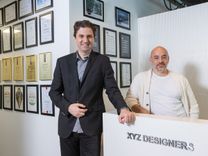
In conversation with the project’s design lead, Khalid Telfah, we explored the thinking behind The Meriva Collection — a waterfront development shaped by a nature-driven design approach and a highly integrated master plan. He describes the project as one of the most challenging and rewarding of his career, evolving from a complex vision into a destination defined by fluid architecture, layered landscapes, and a strong connection to water and nature.
What is the core vision behind this project, and what kind of place did you set out to create?
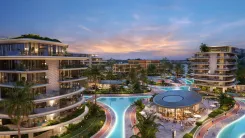
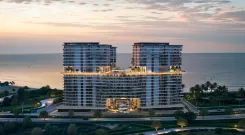
The core vision behind the project was to create more than a typical waterfront development. Rather than simply placing buildings beside water, the goal was to design a destination where architecture, landscape, and water merge into one synchronized experience.The team envisioned a place that feels tranquil, modern, emotionally connected to nature, and deeply integrated with outdoor living. The project was designed to offer a “permanent vacation” lifestyle within Dubai — a calm and immersive environment that contrasts with the city’s fast-paced urban rhythm while still remaining part of Dubai’s future urban identity.
The project strongly connects architecture with nature. How did this relationship shape your design approach?
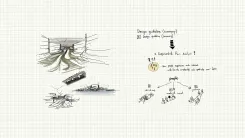
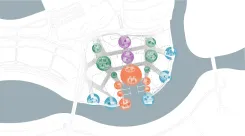
Nature became the primary driver of the entire design process. Instead of imposing rigid geometry, the design team studied natural systems and patterns — including lagoons, dunes, river flows, and organic landscapes — and translated those forms into the master plan.This approach influenced everything from circulation and building placement to levels, landscaping, and public spaces. The architecture was designed to feel as though it grows naturally from the landscape itself, creating a softer and more organic experience.The landscape was also treated as layered rather than flat. Different levels were introduced for pathways, greenery, ground planes, and building connections, allowing architecture and nature to blend together more fluidly and dynamically.
Water and flow seem central to the concept. How are these ideas translated into the spatial and architectural experience?
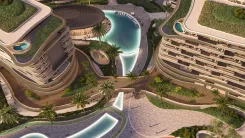
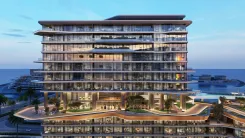
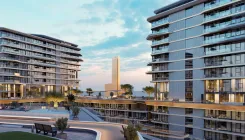
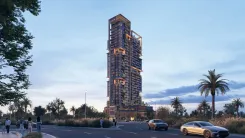
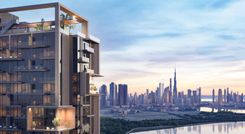
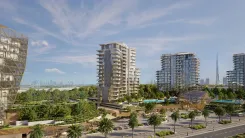
The idea of “flow” was interpreted both physically and emotionally throughout the project.Spatially, movement through the development follows fluid curves, layered landscapes, and interconnected public spaces, ensuring that all areas feel visually and physically connected. The circulation system was designed to continuously reveal views of the lagoon, waterfront, and surrounding landscape.Architecturally, the buildings avoid rigid or monolithic forms. Instead, they feature soft geometries, shifting masses, terraces, stepped forms, and open voids that create permeability, movement, and lightness. These voids allow natural light, views, and air to pass through the buildings while strengthening the connection to the surrounding water and landscape.The result is an environment that feels agile, open, and constantly connected to its natural surroundings rather than composed of isolated solid structures.
How did you approach creating a sense of continuity across such a large and diverse development, so it still feels like one unified place?
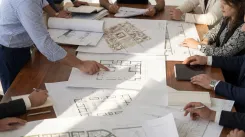
The project combines multiple functions — including residential buildings, hospitality spaces, commercial areas, wellness zones, and outdoor activities — making continuity one of the greatest design challenges.To unify these diverse elements, the team established a shared design language across the entire master plan. Curved lines, flowing circulation paths, water features, floating green spaces, and consistent materiality create visual and spatial continuity throughout the development.Although the project includes different zones and building types, all components follow the same architectural “DNA” in terms of proportions, forms, and materials. This consistency allows the entire development to feel cohesive and connected rather than fragmented into separate districts.The designer described this integration of multiple functions into one seamless experience as one of the project’s biggest achievements and challenges.
What kind of lifestyle or everyday experience is this project designed to offer its residents and visitors?
The project was designed around the idea of living every day as though on vacation.Residents and visitors can move naturally between beaches, lagoons, promenades, wellness spaces, cafes, shops, pools, and landscaped outdoor areas in a highly walkable environment. The experience emphasizes slow living, wellness, outdoor connection, and relaxation.In contrast to Dubai’s typically fast-paced and high-pressure lifestyle, the project aims to provide a calmer, healthier, and more emotionally grounded way of living — one that reconnects people with nature and daily outdoor experiences.
In your view, what makes this project different from other waterfront developments, and what lasting impression should it leave?
What distinguishes the project from many other waterfront developments is that water and nature are not treated as secondary background elements. Instead, they form the framework that shapes the entire master plan and overall experience.Rather than simply positioning buildings near the water, the entire development is designed to exist within a landscape of lagoons, greenery, and flowing public spaces. The architecture, circulation, and outdoor environments are all integrated into this natural system.The intended lasting impression is one of calmness, fluidity, and emotional connection — a place that feels alive, immersive, and deeply connected to both nature and its surroundings.